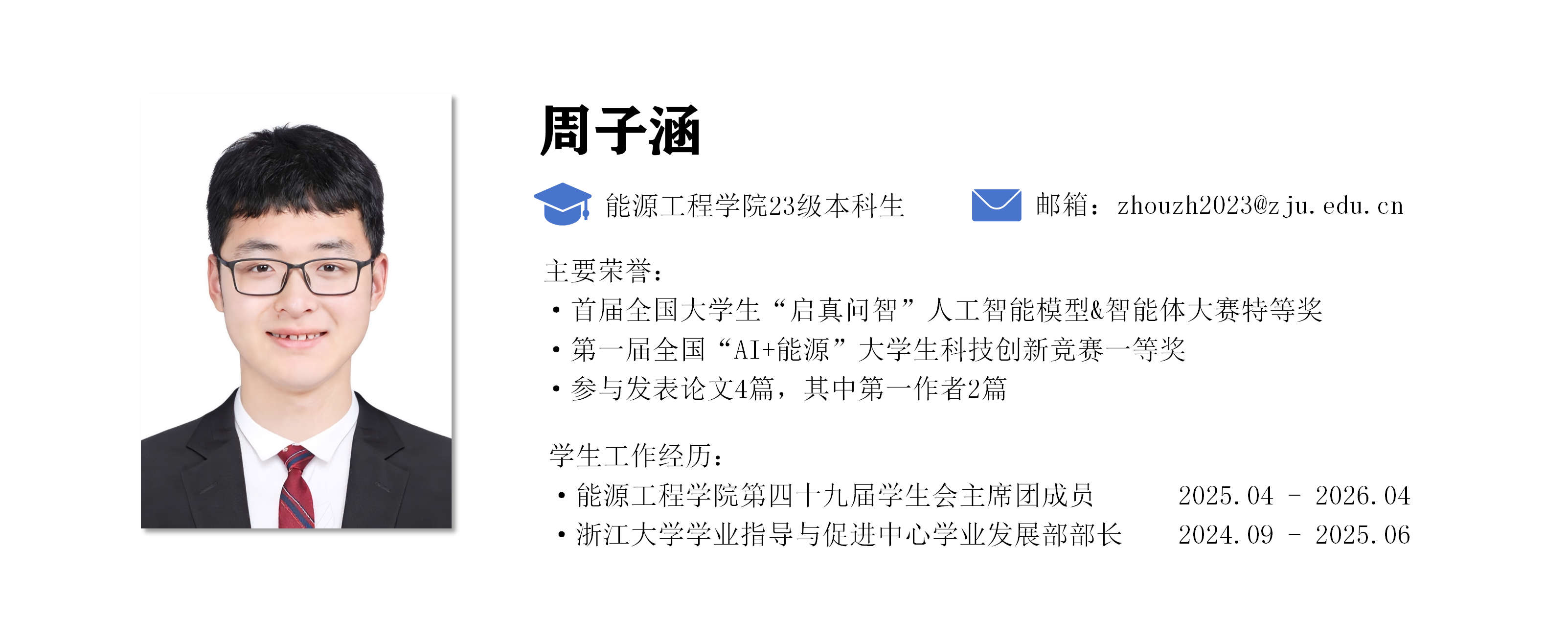
Hey,我是周子涵(Summer),就读于浙江大学智慧能源专业。
这里会存放我的学习笔记,记录一些有趣的想法和尝试。欢迎你常来玩~
参与项目
AI+能源: “能小问”综合能源系统领域教学大模型
项目描述:针对综合能源系统的复杂性与多学科交叉特性,开发面向综合能源系统的大模型研究助手能小问(EnerAgentic),为该领域的复杂数据分析、知识检索和仿真建模提供全流程的智能辅助。
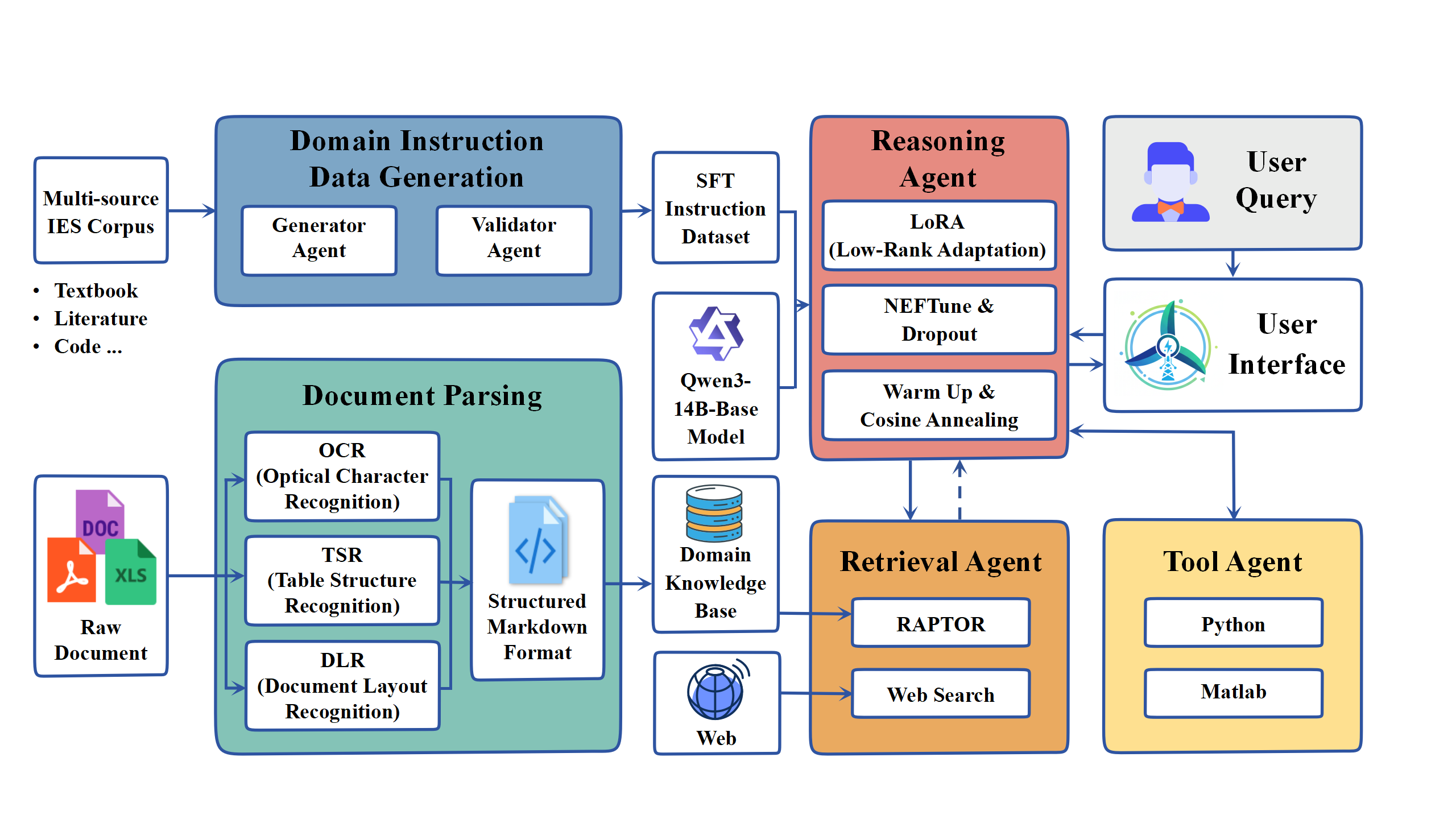
- 数据集构建:使用信息计量学方法收集学术文献、专业教材和仿真代码,并设计生成器、检验器智能体自动化构建了一个包含约5.6w条高质量样本的微调指令数据集。
- 模型微调:使用 LoRA 对 Qwen3-14B-Base 基座模型微调训练,使用 NEFTune + Dropout 方法提高模型泛化能力,使用 预热与余弦退火 相结合确保训练稳定性。
- 检索增强生成:使用GraphRAG方法建立领域知识图谱,结合PAPTOR递归检索技术搭建RAG框架,增强回复的准确性、可追溯性,提升复杂查询的检索效果。
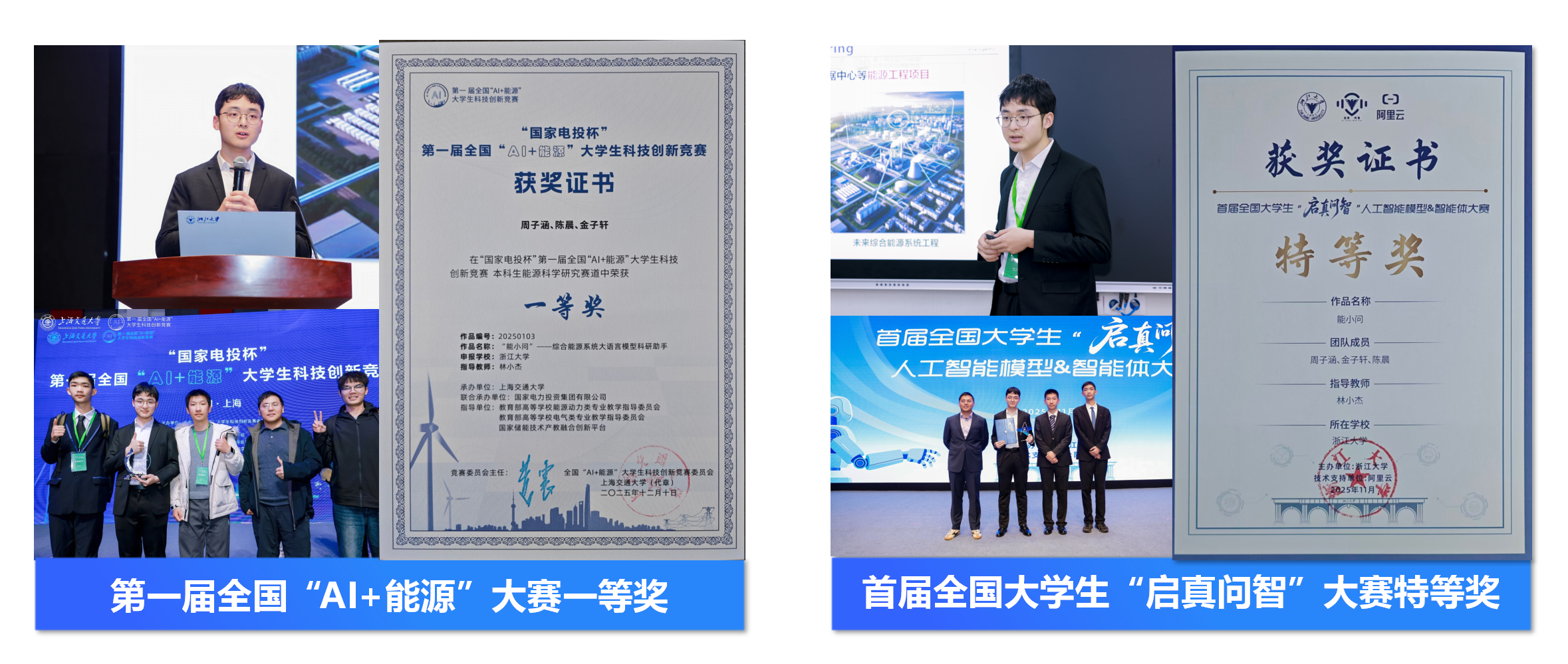
相关成果以第一作者发表在SCI期刊 International Journal of General Systems 上,Eneragentic: multi-agent large language models for assisting scientific research tasks in integrated energy systems,并获得首届全国大学生“启真问智”人工智能模型&智能体大赛特等奖、第一届全国“AI+能源”大学生科技创新竞赛一等奖。未来将进一步研究综合能源系统领域的多智能体架构等。
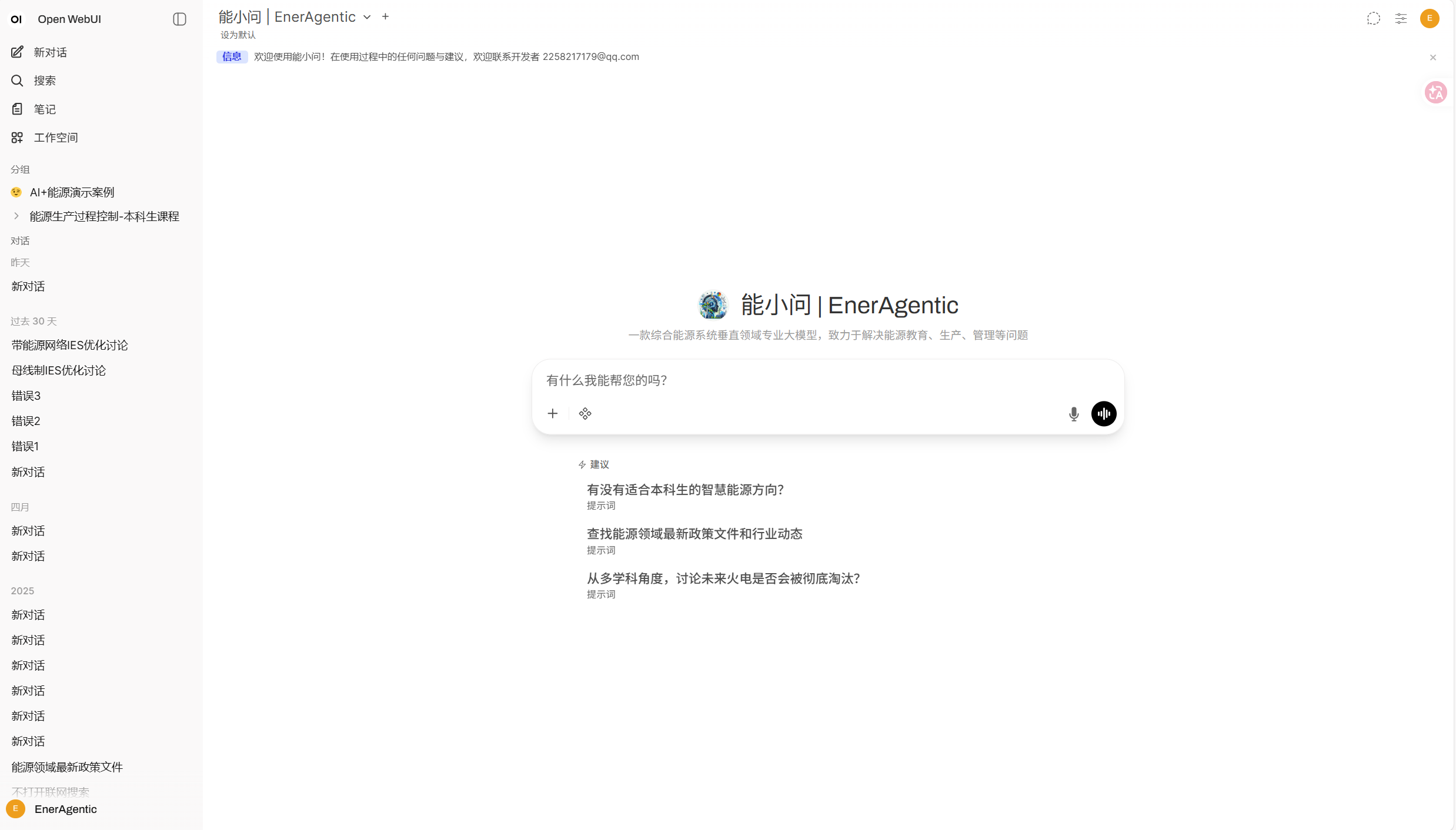
| [能小问 | EnerAgentic 模型开源访问地址](http://zjua4e.com:3000/) |
AI+能源: 能源领域前沿技术检索项目
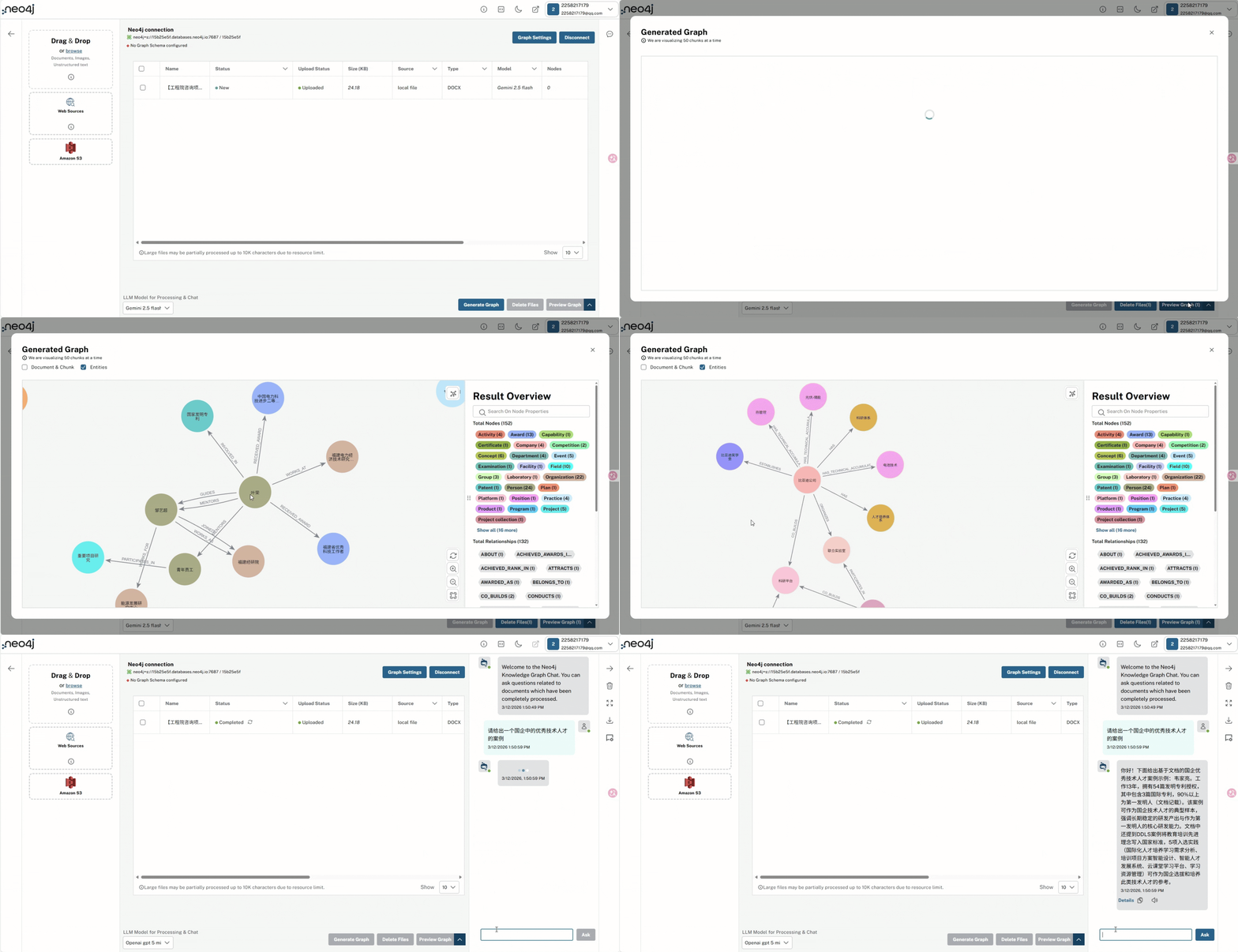
当前能源领域的前沿资料主要依赖手动搜索,覆盖范围有限,尤其缺乏国外专家与机构的信息,体系化程度不高。我们希望利用大模型技术构建知识库,整合访谈数据与公开信息,形成支持智能分析的能源战略研究平台。
本产品具备以下功能: 1、自动化网络检索,补充被遗漏的专家与单位; 2、构建知识图谱或思维导图,形成结构化知识体系; 3、对访谈内容进行文本分析与特征提取,生成人才画像; 4、支持自然语言问答,便于直接利用研究成果。 此举可改变传统的研究模式,提升效率与检索效果。
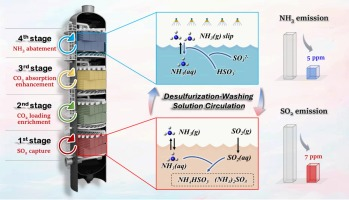
CCUS项目: 多级溶剂循环工艺增强 SO₂和 CO₂协同捕集
以第六作者身份在 Chemical Engineering Journal 发表论文 Enhanced SO2 and CO2 synergistic capture with reduced NH3 emissions using multi-stage solvent circulation process
创新点:
- 创新使用MSC工艺实现多环节协同捕集; 传统氨法捕集将 SO₂去除、CO₂吸收、氨控制视为独立环节,易导致氨逃逸、溶剂浪费和能耗叠加, 而本研究设计的MSC 工艺通过 “功能分区 + 溶液循环” 实现了多环节协同:
- 通过溶液循环与参数调控降低氨逃逸, 提升SO2捕集效率;
- 结合模拟与中试设计,兼顾实验室性能与工业化落地, 提升能耗经济性;
- 选用NH₃/K₂CO₃混合溶剂替代单一氨溶液或胺类溶剂, 降低溶液粘度, 提升CO₂传质效率; 降低所需氨浓度,从源头减少氨逃逸; 混合溶剂的循环容量更大,解析能耗更低.
学生工作经历
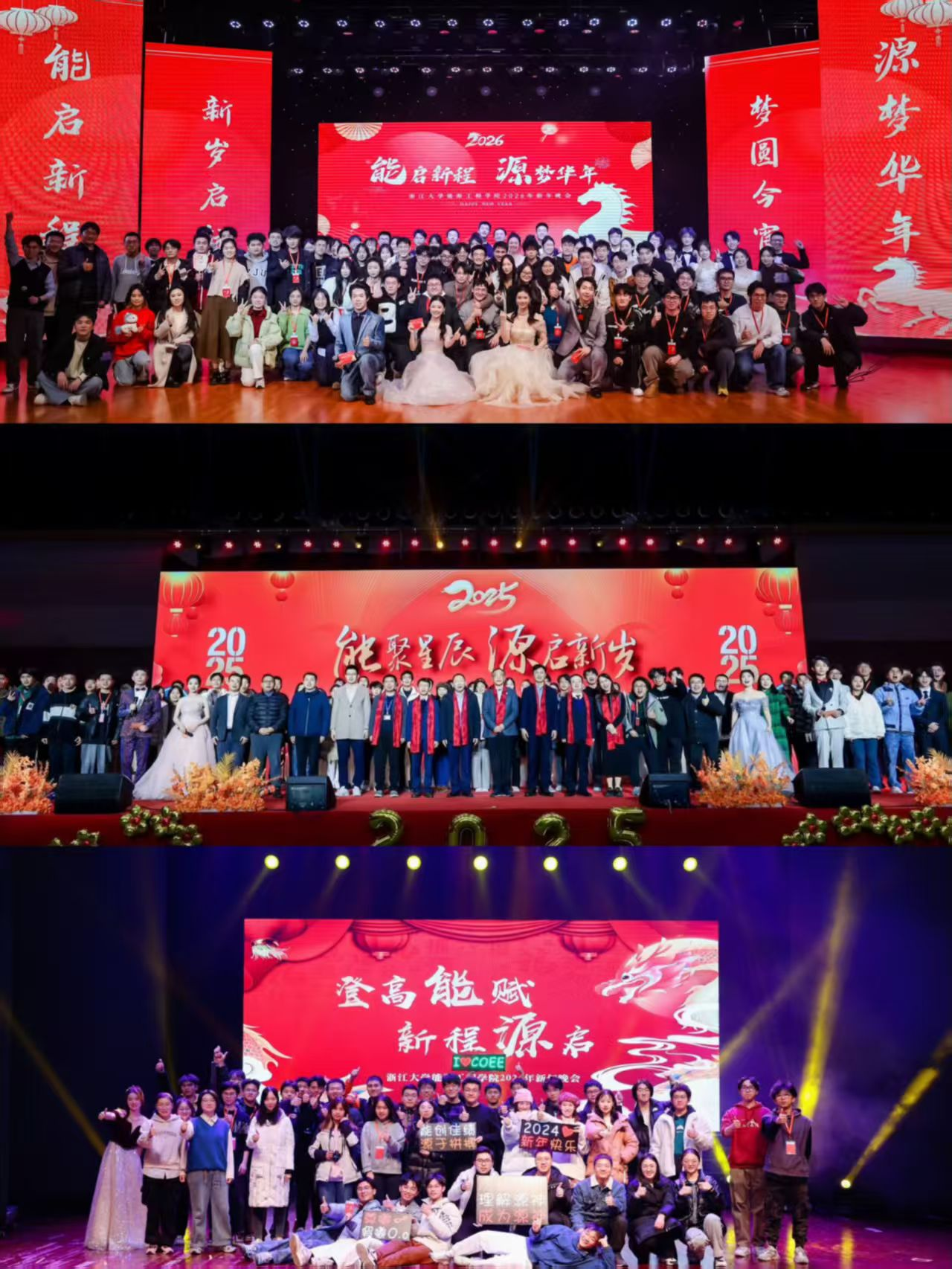
- 浙江大学能源工程学院第四十九届学生会主席团成员 2025年4月-2026年4月
- 浙江大学学业指导与促进中心学业发展部部长 2024年9月-2025年6月

Hey, I’m Zihan Zhou (Summer), a Smart Energy student at Zhejiang University.
This is where I share my study notes, interesting ideas, and experiments. Feel free to stop by anytime~
Projects
AI + Energy: “EnerAgentic,” an Educational LLM for Integrated Energy Systems
Project overview: Integrated energy systems are complex and highly interdisciplinary. To support research in this field, we developed EnerAgentic, a large language model research assistant that provides end-to-end intelligent support for complex data analysis, knowledge retrieval, and simulation modeling.
- Dataset construction: Used informetric methods to collect academic literature, professional textbooks, and simulation code. We then designed Generator and Validator agents to automatically build a fine-tuning instruction dataset containing approximately 56,000 high-quality samples.
- Model fine-tuning: Fine-tuned the Qwen3-14B-Base model with LoRA, improved generalization using NEFTune + Dropout, and combined learning-rate warmup with cosine annealing to ensure stable training.
- Retrieval-augmented generation: Used GraphRAG to build a domain knowledge graph and incorporated RAPTOR recursive retrieval into the RAG framework, improving response accuracy and traceability as well as retrieval performance for complex queries.
The project resulted in my first-author paper in the SCI-indexed journal International Journal of General Systems: Eneragentic: multi-agent large language models for assisting scientific research tasks in integrated energy systems. It also received the Grand Prize at the inaugural National College Student “Qizhen Wenzhi” AI Model & Agent Competition and First Prize at the inaugural National “AI + Energy” College Student Science and Technology Innovation Competition. Future work will further explore multi-agent architectures for integrated energy systems.
Access the open-source EnerAgentic model
AI + Energy: Frontier Technology Retrieval for the Energy Sector
Research on frontier energy technologies currently relies heavily on manual searches, which offer limited coverage and often overlook international experts and institutions. We aim to build a large language model-powered knowledge base that integrates interview data with public information, forming an energy strategy research platform capable of intelligent analysis.
The platform provides the following capabilities:
- Automated web retrieval to identify overlooked experts and organizations
- Knowledge graph and mind map generation to create a structured knowledge system
- Text analysis and feature extraction from interviews to generate expert profiles
- Natural-language question answering for direct access to research findings
The platform is designed to improve conventional research workflows, search coverage, and efficiency.
CCUS: Enhanced Synergistic SO₂ and CO₂ Capture Using a Multi-Stage Solvent Circulation Process
I am the sixth author of the paper Enhanced SO2 and CO2 synergistic capture with reduced NH3 emissions using multi-stage solvent circulation process, published in Chemical Engineering Journal.
Key innovations:
- Introduced a multi-stage solvent circulation (MSC) process for coordinated capture across multiple stages. Conventional ammonia-based capture treats SO₂ removal, CO₂ absorption, and ammonia control as separate steps, which can lead to ammonia slip, solvent waste, and cumulative energy consumption. Our MSC process coordinates these steps through functional zoning and solvent circulation.
- Reduced ammonia slip and improved SO₂ capture efficiency through solvent circulation and parameter optimization.
- Combined simulation and pilot-scale design to balance laboratory performance with industrial deployment and improve energy efficiency and economic viability.
- Replaced conventional ammonia solutions or amine solvents with an NH₃/K₂CO₃ blended solvent, reducing viscosity, improving CO₂ mass transfer, lowering the required ammonia concentration, increasing cyclic capacity, and reducing regeneration energy consumption.
Student Leadership Experience
-
Member of the Presidium, 49th Student Union, College of Energy Engineering, Zhejiang University April 2025 - April 2026 -
Head of the Academic Development Department, Academic Guidance and Advancement Center, Zhejiang University September 2024 - June 2025